×


پیوند ها
استاندارد API 571
مکانیسم های تخریب تجهیزات فرایندی صنایع پالایشی
نسخه 2020
376 صفحه
Damage Mechanisms Affecting Fixed
Equipment in the Refining Industry
Version 2020
Scope
This recommended practice discusses damage mechanisms applicable to oil refineries; however, much of the
information herein can also be applied to petrochemical and other industrial applications, as the user deems
appropriate. It is up to the user to determine the applicability and appropriateness of the information contained
herein as it applies to their facility.
API 571 is a reference document that provides useful information by itself and also complements other
API standards and recommended practices. The document should be utilized as a reference to other integrity
related documents. It is intended to contribute to the overall management of pressure equipment integrity and is
a useful resource for many mechanical integrity program activities including:
a) identification of existing damage or deterioration and anticipated rates of degradation,
b) identification of future damage mechanism susceptibilities,
c) development and maintenance of inspection and monitoring strategies, programs, and plans (e.g. per
API 510, API 570, and API 653),
d) implementation and monitoring of integrity operating windows (IOWs) (see API 584),
e) development of corrosion control documents (CCDs) (see API 970),
f) implementation of Risk-Based Inspection (RBI) programs (see API 580 and API 581),
g) conducting Fitness-For-Service (FFS) assessments (see API 579-1/ASME FFS-1),
h) application of proper examination techniques, and
i) conducting pressure equipment integrity incident investigations (see API 585).
The information for each damage mechanism is provided in a set format as shown below.
— Name of the Mechanism—The term commonly used to describe or name the mechanism.
— Description of Damage—A basic description of the damage mechanism.
— Affected Materials—A list of the materials prone to the damage mechanism.
— Critical Factors—A list of factors that affect the damage mechanism (i.e. rate of damage).
— Affected Units or Equipment—A list of the affected equipment and/or units where the damage mechanism
commonly occurs. This information is also shown on generic process flow diagrams (PFDs) for typical
process units.
— Appearance or Morphology of Damage—A description of the damage mechanism, with pictures in some
cases, to assist with recognition of the damage.
— Prevention/Mitigation—Methods to prevent or mitigate the damage and in some cases to evaluate by
engineering analysis.
— Inspection and Monitoring—Guidance for nondestructive examination (NDE) and other methods for
detecting, monitoring, characterizing, sizing, and determining the severity or extent of damage or
deterioration.
— Related Mechanisms—A list of related damage mechanisms.
— References—A list of references cited, relied upon, or that provide background and other pertinent
information.
Generic PFDs are provided in Section 4 to assist the user in determining primary locations where some of the
significant damage mechanisms are commonly found.
برچسب های مهم
 مجموعه ی آموزش تعمیر لامپ کم مصرف (از مبتدی تا پیشرفته)
 دانلود مجموعه آموزشی پایپینگ ( Piping ) و نقشه خوانی + آموزش سه نرم افزار طراحی و تحلیل لوله کشی صنعتی
 آموزش برنامه نویسی آردوینو
 بازگردانی پیامک های حذف شده- ریکاوری پیامک ۱۰۰٪ عملی
 اموزش ویرایش امضا و پکیج برنامه اندروید و کسب درامد از مارکت های اندرویدی
 آموزش ساخت بازی بدون دانش برنامه نویسی و طراحی سه بعدی مبتدی تا پیشرفته با نرم افزار
 آموزش كامل تعمير لامپ كم مصرف(اختصاصي)
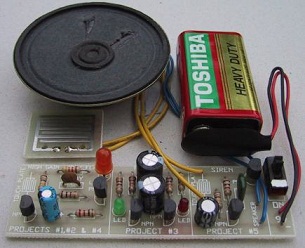 مدار داخلی واکی تاکی(اموزش ساخت)
 کتاب افزایش ممبر کانال تلگرام
 دانلود100% رایگان نرم افزار تبلیغات در تلگرام + آموزش کامل و فیلم آموزشی
 سوال عملی Excel با جواب
 حل تمارین دینامیک سازه
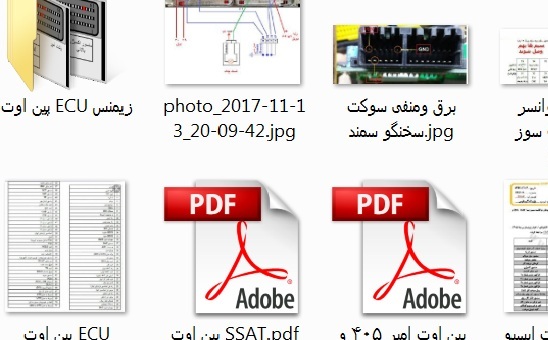 راهنمای پین اوت صفحه آمپر و قطعات الکترونیکی و انزکتوری خودرو
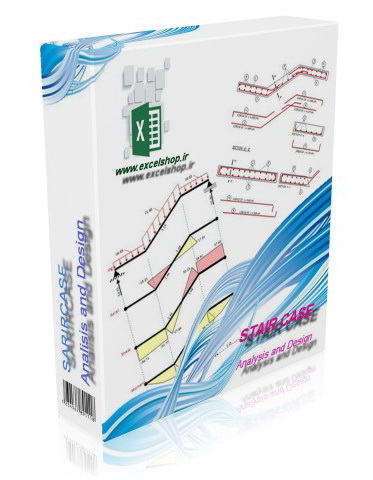 فایل تحت اکسل طراحی راه پله
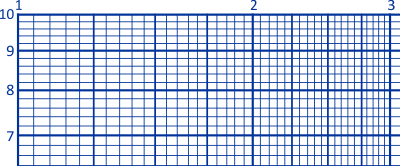 کاغذ میلیمتری
 دانلود رايگان گاوصندوق اندرويد
 دانلود پاورپوینت بررسی نقش توریسم در اقتصاد روستا
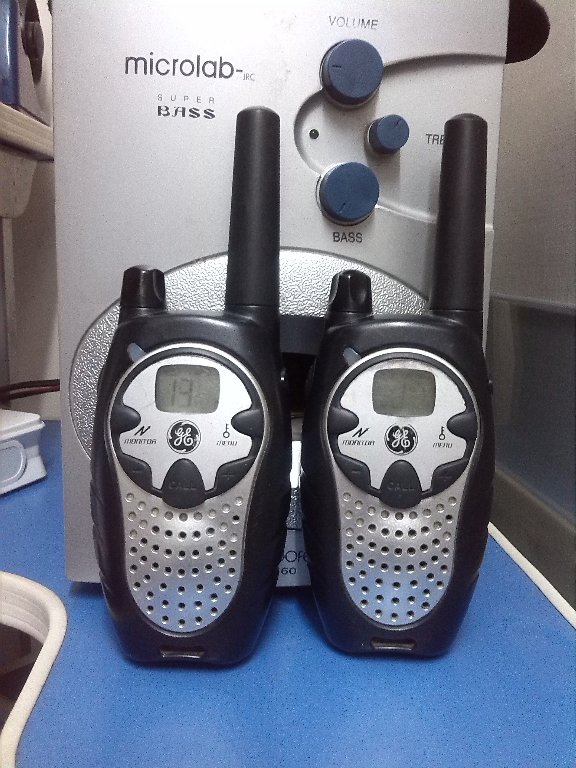 دانلود مدار داخلی بیسیم(واکی تاکی)
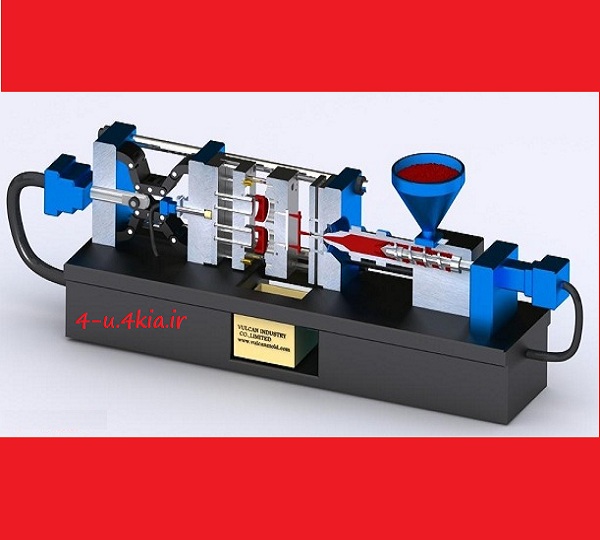 دانلود مجموعه مقاله ، فایل متنی و کتاب آموزشی با موضوع قالب تزریق پلاستیک
 آموزش افزایش لایک و فالوور واقعی اینستاگرام در اندروید و iOS به صورت نامحدود
 نقش اقلیم در معماری( طراحی اقلیمی)
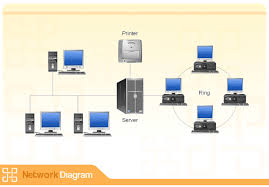 چگونه دو تا کامپیوتر را با هم شبکه کنیم؟
 دانلود جزوه ترانسفورماتور-طرح 18 ماهه ایران و آلمان
 سوال عملی Power Point با جواب
 سوال عملی ICDL 2 همراه با جواب - ( سری اول )
 مجموعه 5000 نقشه ویلایی بسیار زیبا سه بعدی بصورت تصویری
 بانک شماره تلگرام برای افزایش ممبر
 مدار اینورتر 100 آمپری جهت جوشکاری


